How to Sharpen Faces in Old Photos (Without Changing Who They Are)
Sharpen faces in old photos with AI face enhancement: how it works, tips for group photos and small faces, and how to keep the likeness and expression natural.
By Ayoub Farid · · 2 min read


In most old photos, the face is what matters. A blurry landscape is fine; a blurry face of a great-grandmother you never met is heartbreaking. AI face enhancement is the single most impressive part of modern photo restoration, and also the one that deserves the most care.
How AI face enhancement works
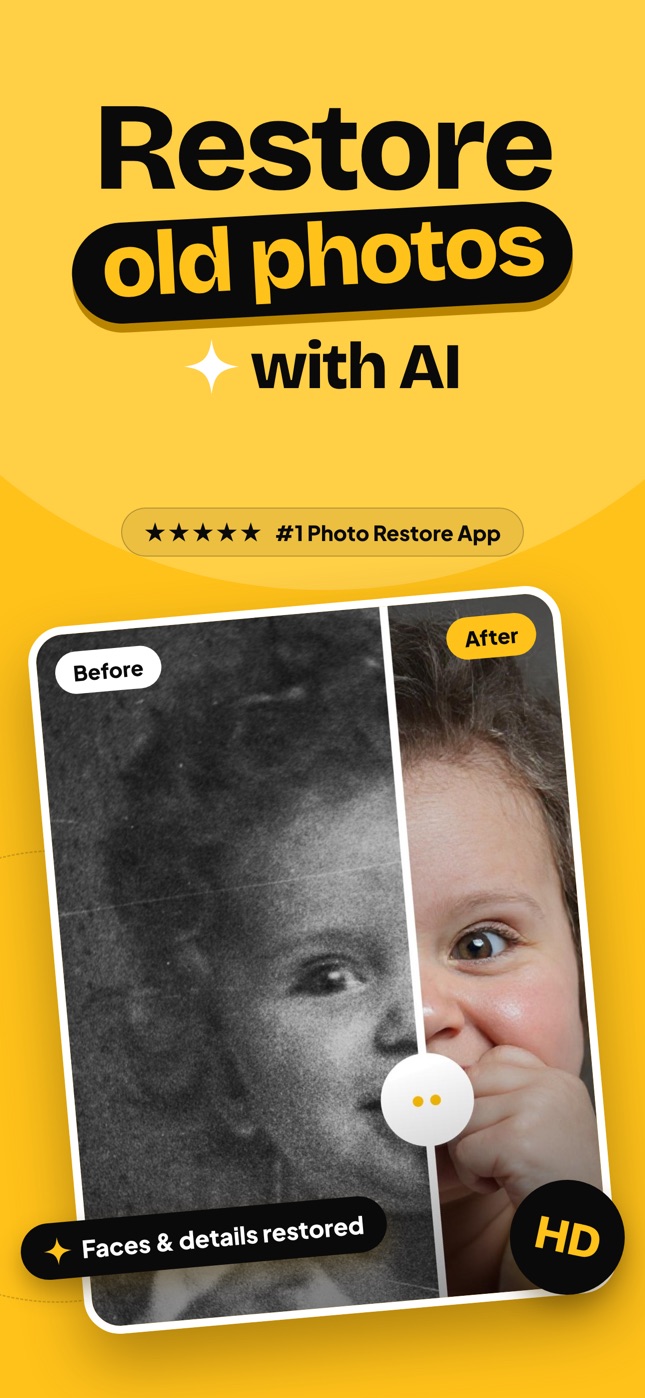
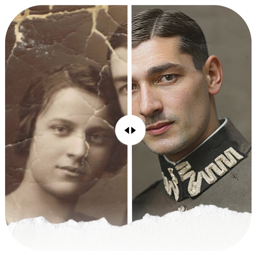
Face enhancement models first find faces in the photo and identify key points: eyes, eyebrows, nose, mouth, jaw, hairline. Then a model trained on many faces reconstructs sharp detail that fits the blurry input: crisp iris edges, eyelashes, lip lines, skin texture, hair strands. The enhanced face is blended back into the photo.
In Refixo, face enhancement is part of every restoration, along with scratch removal, color correction and optional colorization.
Tips for the best results
Capture the face as large as possible
Fill the frame with the photo, and use the sharpest print. For tiny photos, scan at high resolution (see restoring small wallet photos).
Crop group photos
In a group of 30 people, each face might be only 40 pixels wide. Crop a tighter version around the people who matter most and restore that crop separately. The AI has more pixels to work with and gives more faithful results.
Restore from the original
Don't sharpen an already sharpened copy; artifacts compound.
Keep the likeness
Checklist after enhancement:
- Eye shape and direction of gaze.
- Smile: closed, open, crooked, shy.
- Distinctive features: moles, scars, gaps in teeth, glasses.
- Age: the face shouldn't look younger or "beautified".
- Ears and hairline.
If something's off, try a sharper source or a different crop. Read more in is AI photo restoration accurate?
Faces in profile, shadow or partly hidden
Face models work best on faces turned toward the camera. Profiles, faces in deep shadow, or faces partly hidden by hats or hands get less enhancement and may look less natural. Brighten shadowed faces first (see fixing dark photos).
Damaged faces
If the face is scratched or torn rather than blurry, see restoring damaged faces in photos.
Frequently asked questions
Can AI sharpen a blurry face in an old photo?
Yes. Face enhancement rebuilds sharp detail from soft input and is one of AI restoration's biggest strengths.
Will the sharpened face still look like the person?
Usually yes for moderately soft faces. For very small or very blurry faces, check carefully with relatives.
How do I sharpen faces in a big group photo?
Crop sections with fewer people and restore each crop separately for larger, more accurate faces.
Does face enhancement change skin?
Good enhancement keeps natural texture. Over-smoothed "plastic" skin is a sign of too much processing.
Restore it in seconds
Bring your old photos back to life
Refixo's AI removes scratches, tears and stains, sharpens faces and colorizes black & white photos in seconds. Free to download on iPhone and iPad, with a 3-day free trial.
Download on theApp Store