How to Separate Photos Stuck Together (and Restore Them After)
Photos stuck together or stuck to glass? Learn the safe soaking method, when to stop and call a conservator, and how to digitally restore the damage.
By Ayoub Farid · · 2 min read
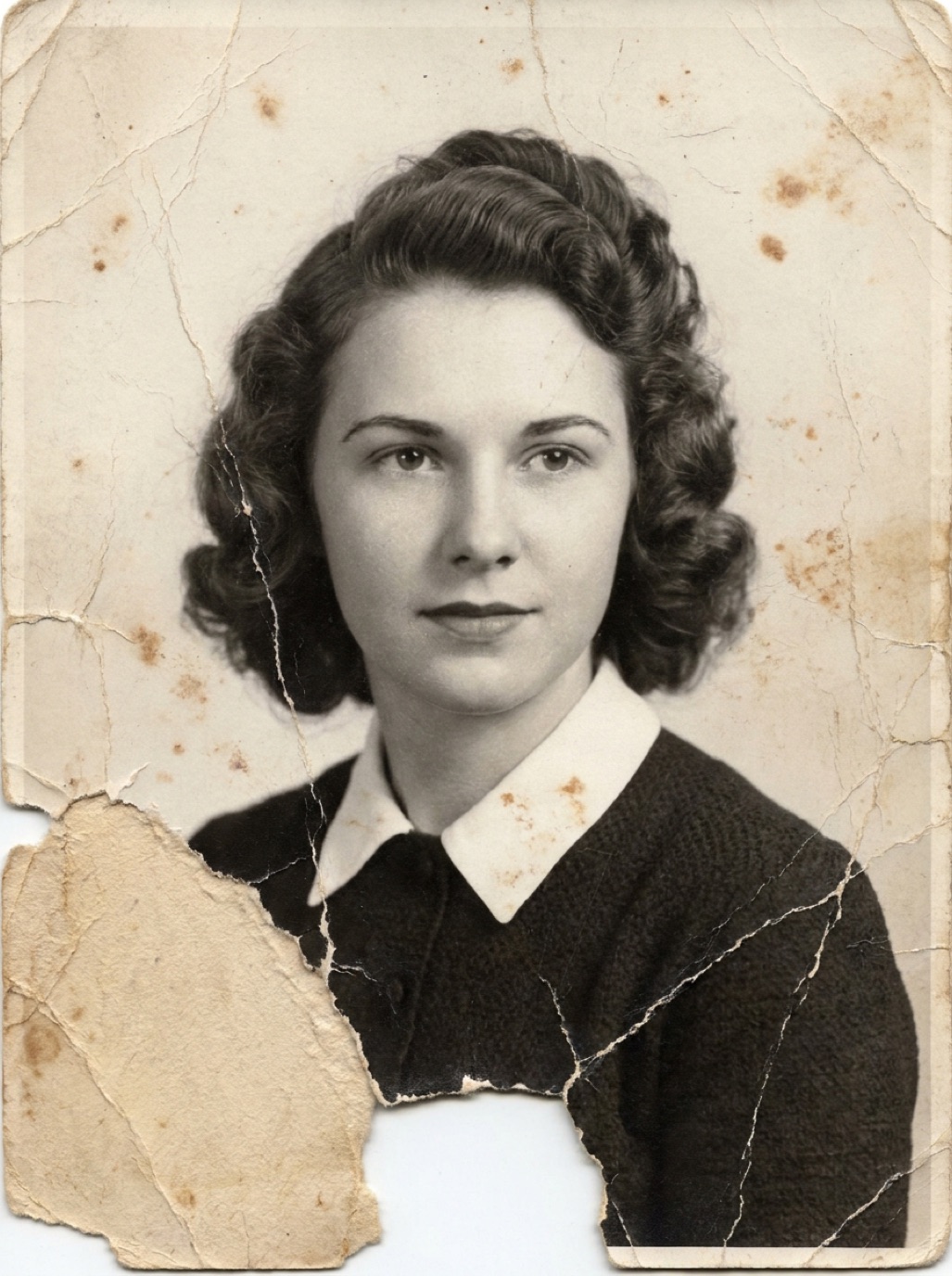
Photos stick together when the gelatin emulsion gets damp and then dries in contact with another surface: another print, the glass in a frame or the plastic of an album. It's common after leaks, floods or years in a humid basement. Pulling them apart dry almost always tears away part of the image. There's a safer way.
Before you start
- Is it valuable or very old? Tintypes, daguerreotypes, ambrotypes and pre-1900 prints should go to a conservator. Some old processes are damaged by water.
- Is it an instant photo (Polaroid)? Don't soak instant prints; they can delaminate. See restoring old Polaroids.
- Is it stuck to glass? Consider scanning it through the glass first, as a backup, before trying anything.
The soaking method for typical paper prints
- Fill a clean tray with cool, clean water (room temperature or slightly cooler).
- Submerge the stuck stack and wait. Gelatin softens in water; it can take a few minutes to an hour.
- Test gently at a corner. If the photos slide apart with no resistance, separate them slowly. If you feel any pull, wait longer.
- Never force it. If they don't release after an hour, stop and consult a conservator.
- Rinse each photo briefly in clean water.
- Dry face up on a clean towel or hang by a corner. No heat.
- Flatten when dry, between clean paper under books.
For photos stuck to glass, soaking can also work, with the glass face down in water. Again: stop if there's resistance.
What the damage will look like
Even with careful separation, you may see:
- Patches where the emulsion lifted onto the other surface.
- Texture marks from glass or plastic.
- Water tide lines (see restoring water-damaged photos).
Restore the scans
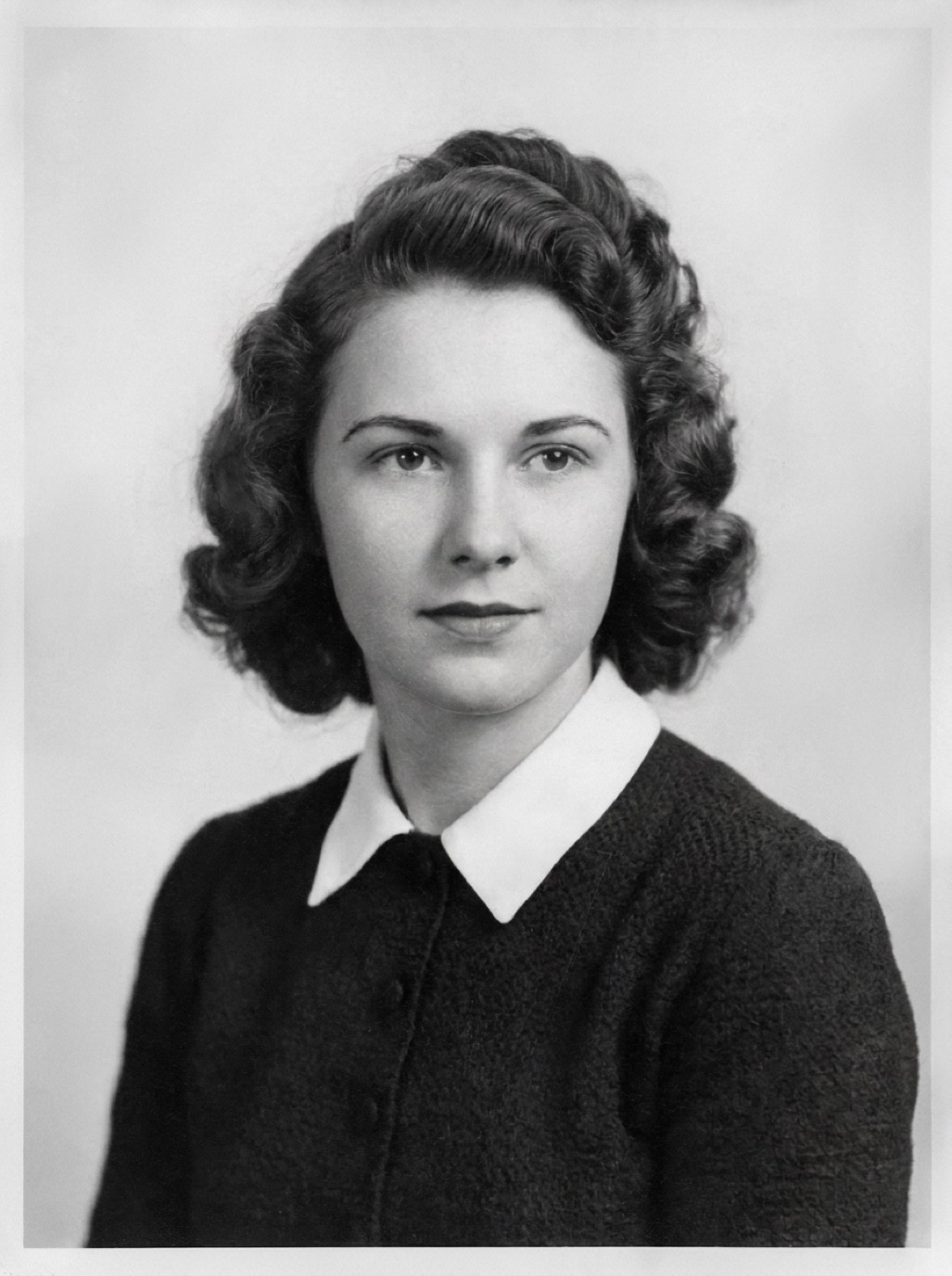
Once dry and flat, capture each photo. In Refixo, tap Restore to remove marks, stains and texture and to restore contrast and faces. Missing emulsion patches are reconstructed from surrounding detail; check faces carefully.
Prevent it
- Never store photos in damp areas or stacked face to face.
- Use interleaving paper or archival sleeves.
- Don't frame valuable originals directly against glass; use a mat (see framing old family photos).
Frequently asked questions
Can photos stuck together be separated?
Often, yes. Soaking in cool water softens the emulsion so modern paper prints can slide apart. Stop if there's resistance.
Should I use a hair dryer or steam?
No. Heat can melt and permanently fuse the emulsion.
How do I get a photo off the glass of a frame?
Scan it through the glass first as a backup. Soaking can release it, but valuable photos should go to a conservator.
Can I restore the parts that stayed stuck to the other photo?
The missing areas can be reconstructed digitally. Background usually looks seamless; faces should be checked against the original.
Restore it in seconds
Bring your old photos back to life
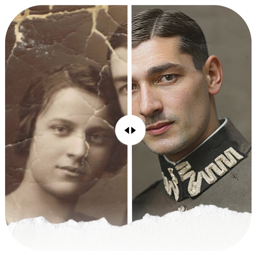
Refixo's AI removes scratches, tears and stains, sharpens faces and colorizes black & white photos in seconds. Free to download on iPhone and iPad, with a 3-day free trial.
Download on theApp Store