Should You Colorize Old Photos? Black and White vs Color
Should you colorize old black and white photos or keep them as they are? The pros and cons, which photos benefit most and how to keep both versions.
By Ayoub Farid · · 2 min read
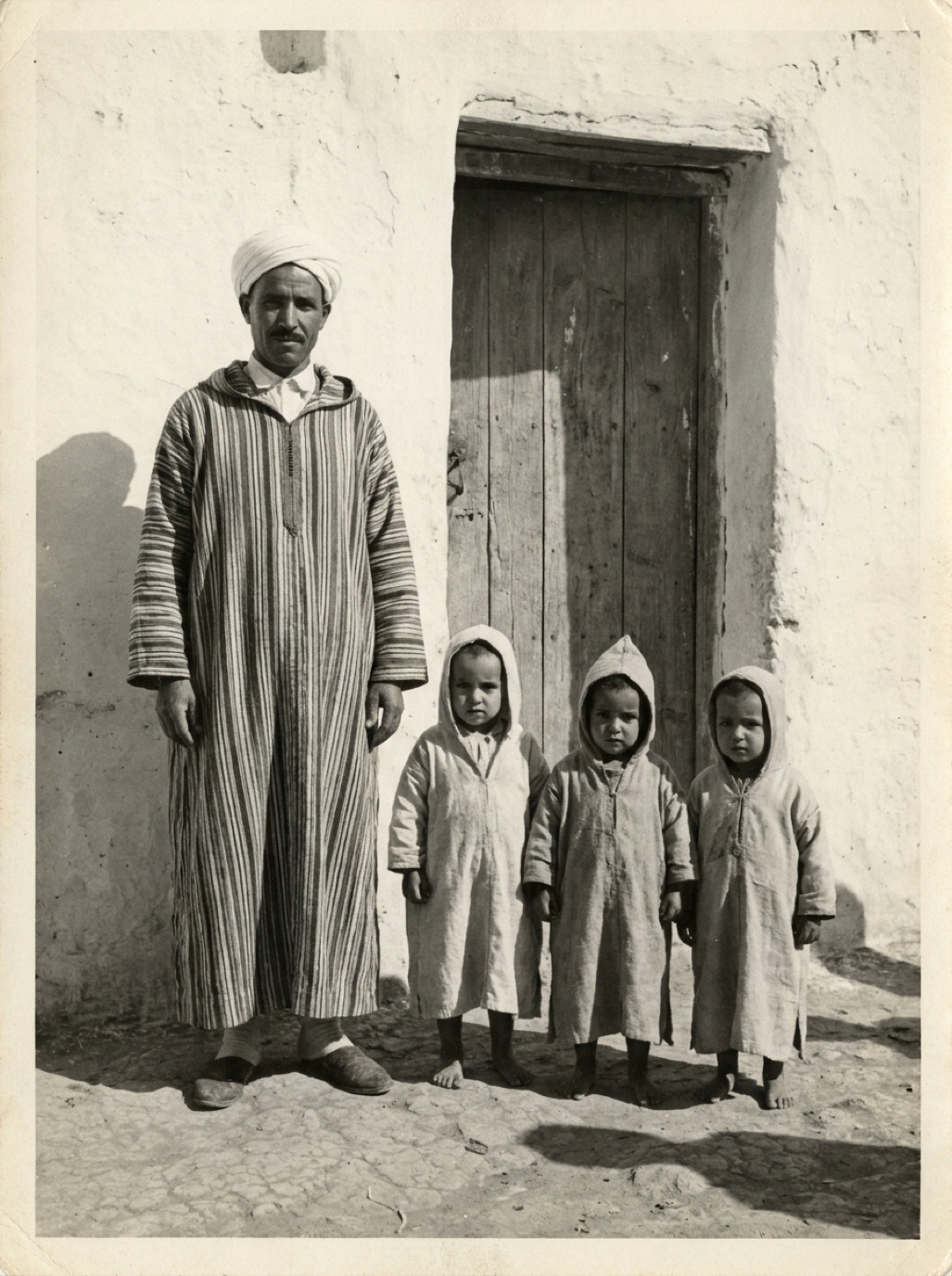
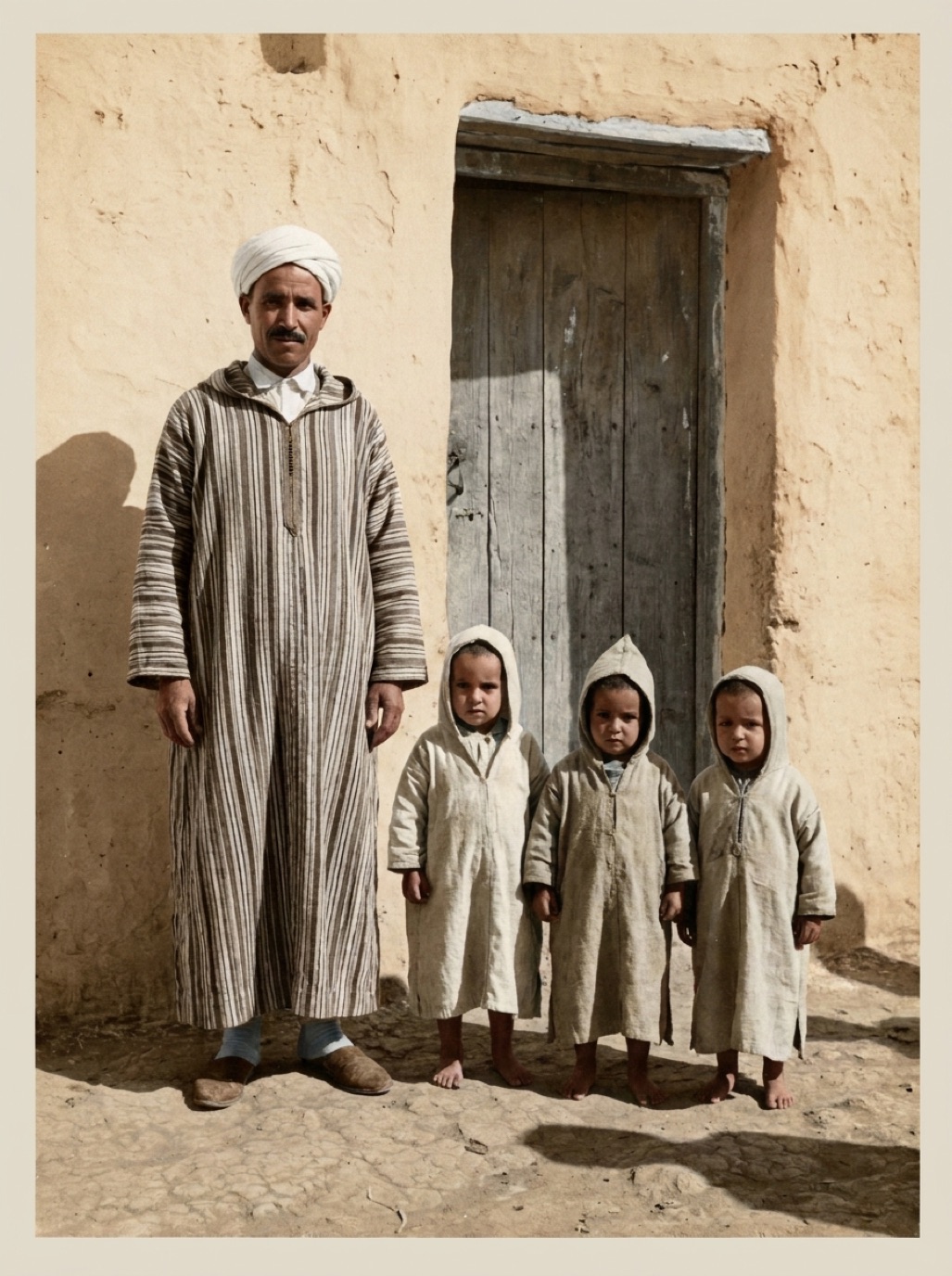
Now that colorization takes seconds, the question isn't "can I?" but "should I?". Some people love seeing their ancestors in color; others feel it takes away the character of the original. Both reactions are valid. Here's how to decide photo by photo.
Reasons to colorize
- Connection: color makes people look present, especially for younger family members.
- Detail: color separates objects that blend together in grey, making scenes easier to read.
- Storytelling: colorized photos work beautifully in slideshows, books and gifts.
- Curiosity: many people simply want to imagine what the day looked like.
Reasons to keep black and white
- Authenticity: the original is exactly what the photographer captured.
- Aesthetics: black and white portraits can be timeless and dramatic.
- Accuracy: colorization guesses colors (see are colorized photos accurate?).
- Artistic intent: some photographers chose black and white deliberately, even when color film existed.
Photos that benefit most from color
| Benefits most | Maybe keep B&W |
|---|---|
| Informal family snapshots | Artistic studio portraits |
| Outdoor scenes, gardens, beaches | Dramatic, high-contrast images |
| Children and family groups | Photos with strong deliberate lighting |
| Street scenes and homes | Documents and historical records |
The best answer: keep both
You never have to choose. A good workflow:
- Keep the original scan untouched.
- Create a restored black and white version (damage removed, contrast restored).
- Create a colorized version.
With Refixo, you can restore and colorize and drag a slider between B&W and color to compare. Save the version you want; the original stays in your library.
Ask the people in the photo
If the people in the photo, or their children, are still alive, ask them which version they prefer. Older relatives often have strong feelings, and their memories can correct colors the AI guessed.
Related: how to colorize black and white photos and the ethics of colorizing historical photos.
A middle ground: subtle color
Some people find full colorization too much but still want a warmer feel. Options include restoring the black and white version and adding a gentle sepia or warm tone, or colorizing and then reducing saturation by 20–30% in the Photos app for a softer, period look. These versions often work well printed and framed alongside other vintage photos.
Frequently asked questions
Does colorizing ruin the original photo?
No. Colorization works on a digital copy. Keep the original scan and print.
Do colorized photos look fake?
Good AI colorization looks natural, but it's still an interpretation. Muted, realistic colors look more believable than saturated ones.
Which looks better printed?
It's personal. Many people frame the colorized version and keep the black and white one in albums.
Can I go back to black and white after colorizing?
Yes, if you kept the original or restored B&W version.
Restore it in seconds
Bring your old photos back to life
Refixo's AI removes scratches, tears and stains, sharpens faces and colorizes black & white photos in seconds. Free to download on iPhone and iPad, with a 3-day free trial.
Download on theApp Store