
How to Store Old Photos So They Last Another 100 Years
How to store old photos safely: the best temperature, humidity and light, archival boxes and sleeves, what to avoid, and where in the house to keep them.
By Ayoub Farid · · 2 min read
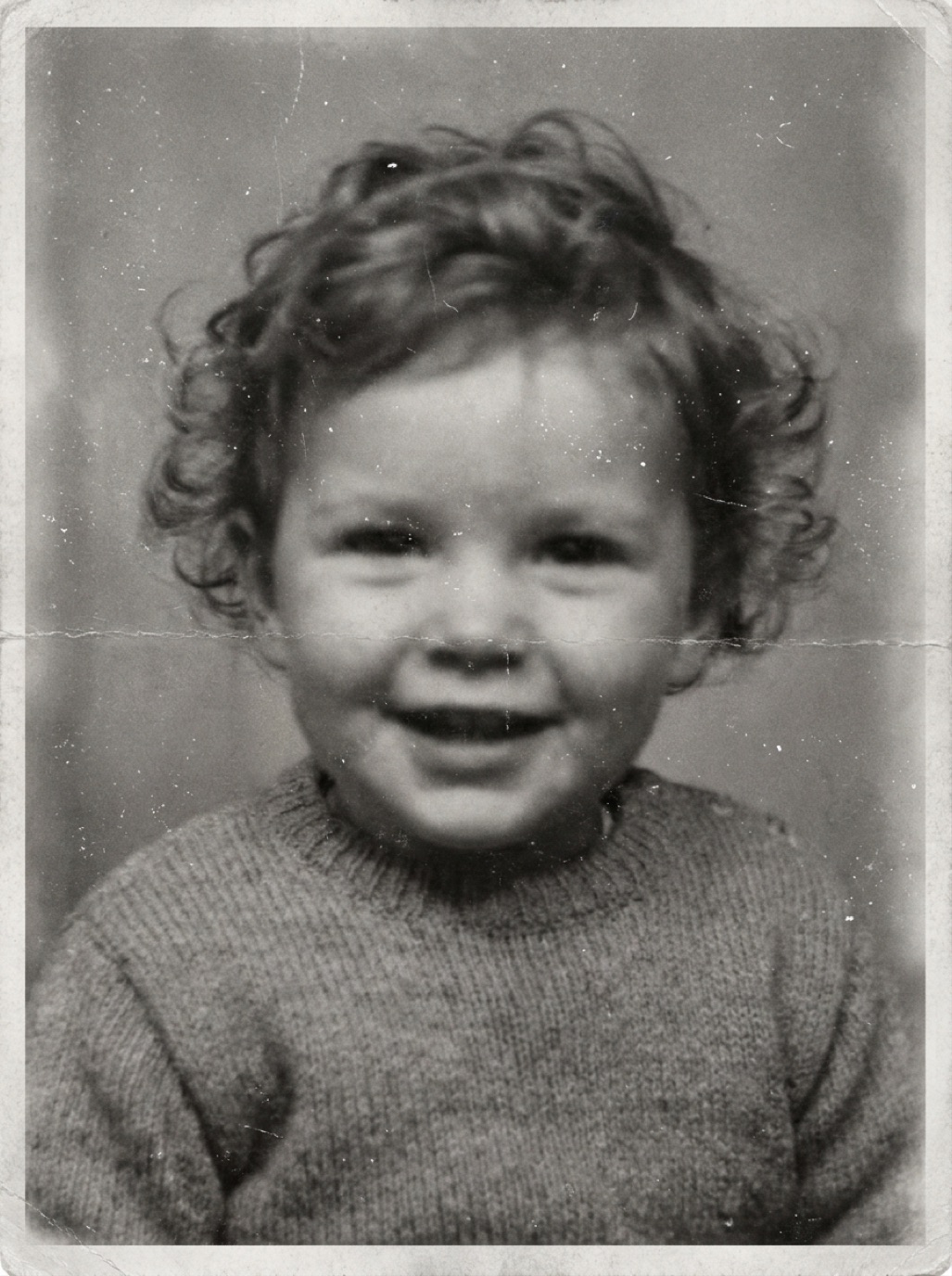
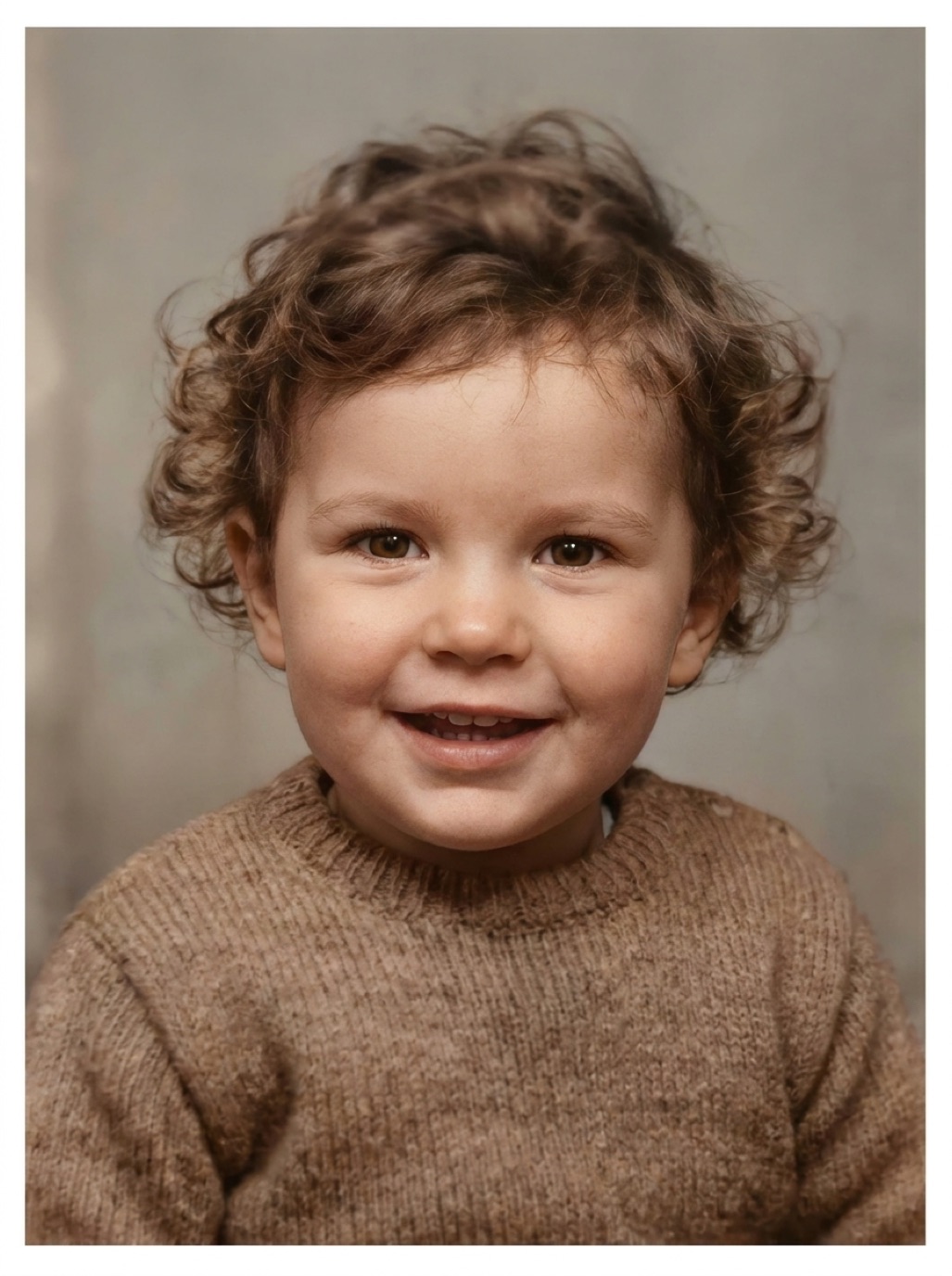
Digitizing protects the image, but the original print is still the most authentic record, and often the best source for future scans. Good storage slows fading, prevents mold and keeps photos flat and intact for generations.
The enemies of old photos
- Light: fades dyes and yellows paper.
- Heat: accelerates every chemical reaction.
- Humidity: encourages mold, sticking and curling.
- Fluctuations: cycles of damp and dry cause cracking.
- Acids: from cheap paper, cardboard, wood and some plastics.
- Pests: insects and rodents eat paper and gelatin.
- Handling: fingerprints, bending and scratches.
Ideal conditions
- Cool: room temperature or slightly below; avoid heat sources.
- Dry and stable: moderate relative humidity, roughly 30–50%, without big swings.
- Dark: in closed boxes, not on display.
- Clean: away from dust, smoke and cooking fumes.
Where in the house?
| Good | Avoid |
|---|---|
| Interior closet in a living area | Attic (heat) |
| Shelf under a bed in a bedroom | Basement (damp, floods) |
| Bookshelf on an interior wall | Garage or shed |
| Near radiators, kitchens, bathrooms | |
| Exterior walls (temperature swings) |
Storage materials
- Archival boxes: acid-free, lignin-free boxes. Look for photo-safe labels (often referencing the Photographic Activity Test).
- Sleeves: polyester, polypropylene or polyethylene. Avoid PVC (soft, smelly vinyl), which damages photos.
- Envelopes: acid-free paper envelopes are fine for individual prints.
- Interleaving: acid-free paper between prints in a box.
- Albums: archival albums with photo corners. Avoid "magnetic" sticky albums (see removing photos from magnetic albums).
Organizing the box
- Store prints vertically in boxes with dividers, or flat in shallow boxes. Don't overstuff.
- Group by family, decade or event, matching your digital folders.
- Label dividers, not the photos themselves. If you must write on a photo, use a soft pencil on the back (see labeling old photos).
Special items
- Negatives and slides: archival sleeves or slide pages, in boxes.
- Instant photos: flat, in sleeves; never cut them (see restoring old Polaroids).
- Tintypes, daguerreotypes, glass plates: individual cases or padded boxes; consult a conservator for valuable items.
Digitize and display copies
Display restored reprints instead of originals, and keep digital copies backed up (see how to back up family photos). Restored versions from Refixo are full-quality files you can print and frame while the original stays safe in its box.
Related: preventing photos from fading, how to handle old photos.
Frequently asked questions
What's the best way to store old photos?
In acid-free archival boxes or PVC-free sleeves, in a cool, dry, dark interior room.
Can I store photos in plastic bins?
Plastic bins protect against water and pests, but put photos in archival boxes or sleeves inside them, and avoid damp locations.
Are photo albums safe for storage?
Archival albums with corners are fine. Old magnetic albums damage photos over time.
Should I store negatives separately from prints?
Yes, ideally in a different location, so one disaster doesn't destroy both.
Restore it in seconds
Bring your old photos back to life
Refixo's AI removes scratches, tears and stains, sharpens faces and colorizes black & white photos in seconds. Free to download on iPhone and iPad, with a 3-day free trial.
Download on theApp Store